
In a lot of Pittsburgh homes, the basement is where things go to be forgotten. The old treadmill, the holiday bins, the paint cans from three projects ago. But look past the clutter and you'll often find something every homeowner wants more of: space. Real, usable square footage that's already part of your home, just waiting to be put to work.
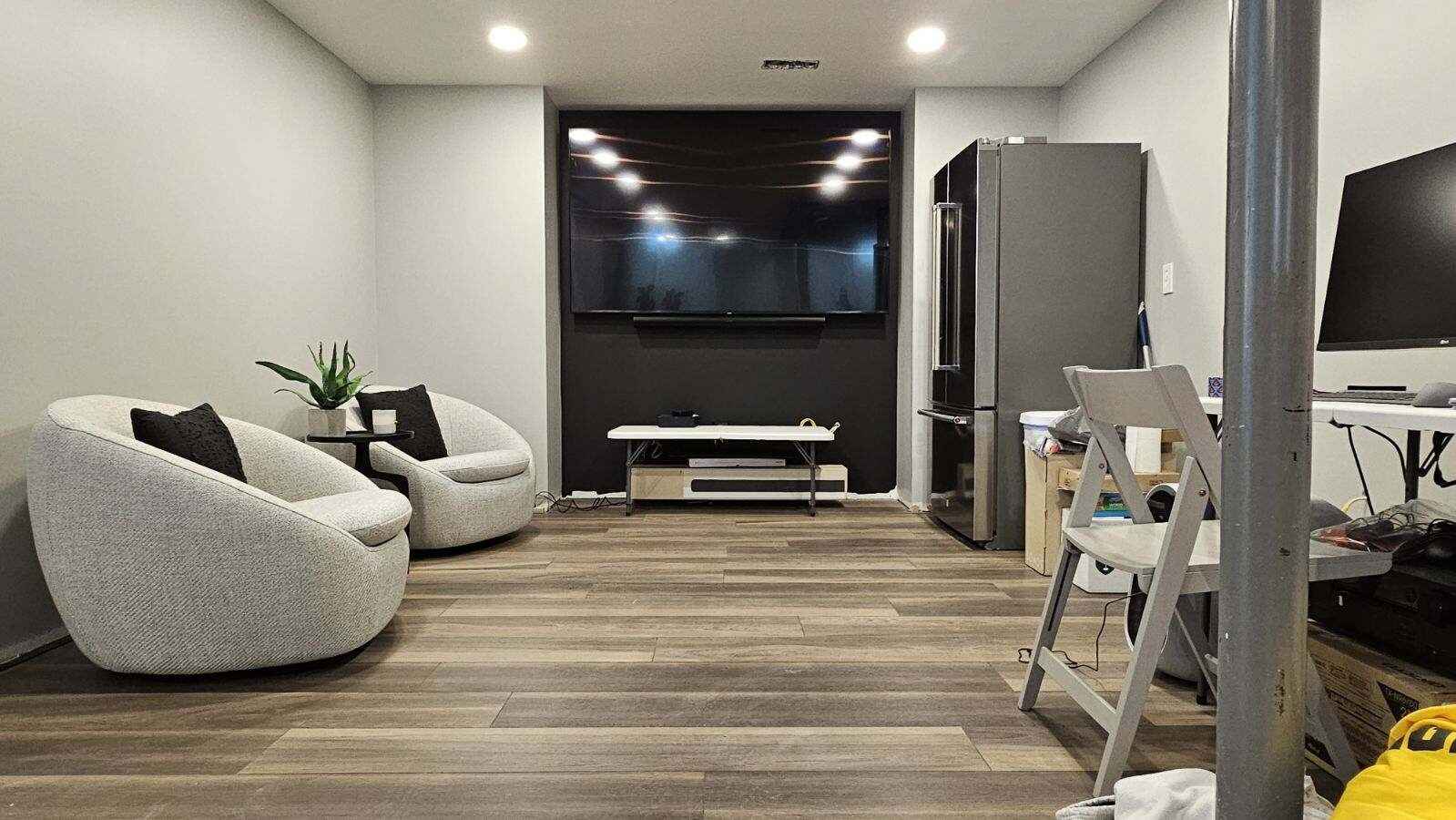
Finishing a basement is one of the smartest ways to add living space without the cost and complexity of building an addition. It's also a project that lends itself especially well to the colder months, since the work happens below ground and out of the weather. That makes late fall and winter a great time to start planning.
At Shannon Staley & Sons, we've transformed basements in every kind of home across Pittsburgh and the surrounding areas, from century-old stone foundations in Highland Park to newer builds with walkout lower levels in Peters Township. Below are nine of the best basement renovation ideas we're recommending right now, along with a few things every Pittsburgh homeowner should address before the first wall goes up.
A quick word on budget: most Pittsburgh basement remodels range from $30,000 to $100,000+, or roughly $75 to $150 per square foot, depending on size, condition, and the features you add. Adding a bathroom, bar, or home theater will push you toward the higher end. For a full breakdown, see our Pittsburgh basement remodeling cost guide.
In This Article
Before Any Idea: Get It Dry and Get It RightThe Family Room Everyone Actually Uses
A Home Theater or Media Room
A Wet Bar and Entertaining Space
A Guest Suite or In-Law Suite
A Home Gym
A Quiet Home Office
A Kids' Playroom or Rec Room
A Rental-Ready Apartment
A Walkout Basement with Outdoor Living
Ready to Transform Your Pittsburgh Basement?

Before Any Idea: Get It Dry and Get It Right
The most beautiful basement in the world won't last if water is getting in. Between our hills, heavy clay soil, and plenty of rain and snowmelt, Pittsburgh basements are prone to moisture, and addressing it has to come first. That might mean interior drainage, a new sump pump, exterior grading, or full waterproofing, which typically runs $5,000 to $20,000.
Radon is another important one. According to the Pennsylvania Department of Environmental Protection, about 4 in 10 Pennsylvania homes have elevated radon levels, and the gas tends to concentrate at the lowest level of the home. If you're going to spend more time in your basement, test first and install mitigation if needed.
Finally, think about the basics that make a basement feel like a real part of the house: adequate ceiling height, proper insulation, good lighting, reliable heating and cooling, and egress windows if you're adding a bedroom. Getting these right is what separates a finished basement from a basement that just has drywall.
1. The Family Room Everyone Actually Uses
The most popular basement upgrade is also one of the most practical: a comfortable, casual family room. It's the space where the kids can spread out, where movie night happens, and where the whole family can relax without worrying about the formal living room upstairs.
A great basement family room starts with warmth. Layered lighting, comfortable flooring like luxury vinyl plank or carpet over a proper subfloor, and good insulation all make the room feel like part of the house rather than an afterthought. Built-in shelving or a media wall adds storage and personality at the same time.
2. A Home Theater or Media Room
Basements are made for home theaters. With few or no windows, you already have the darkness you need, and the below-grade location naturally helps keep sound contained. It's easy to see why this is one of the most-requested basement features we build.
A dedicated media room can be as simple as a big screen, a sectional, and good surround sound, or as elaborate as tiered seating, acoustic wall panels, and a concession-style snack bar. Plan wiring and speaker locations early, before drywall goes up, so everything looks clean and built-in. A full home theater typically adds $20,000 to $50,000 to a basement project, depending on the level of equipment and finish.
3. A Wet Bar and Entertaining Space
If you love to host, a basement bar might be the best investment you make. It gives you a dedicated spot for drinks and snacks during Steelers games, holiday parties, and family gatherings, and it keeps guests out of the kitchen while you cook upstairs.
Options range from a simple dry bar with cabinetry and a beverage fridge to a full wet bar with a sink, dishwasher, ice maker, and seating. Pair it with a game area, a wine wall, or a cozy lounge, and your basement becomes the favorite gathering spot in the house. Custom bars typically run $10,000 to $30,000.
4. A Guest Suite or In-Law Suite
A basement bedroom with its own bathroom gives visiting family and friends privacy and comfort, and it gives you your space back, too. For multigenerational households, a more complete in-law suite with a small kitchenette and living area lets older parents or adult children live close while still having their own space.
A few things are non-negotiable here. Any basement bedroom needs a code-compliant egress window for safety, and adding a bathroom means planning plumbing carefully, since below-grade drains may require an ejector pump. A basement bathroom typically adds $15,000 to $30,000, but it dramatically increases how useful the space is.
5. A Home Gym
Skip the monthly membership and the drive through traffic. A basement home gym makes it easy to work out on your schedule, and the concrete slab below is ideal for supporting heavy equipment.
The key details are rubber flooring to protect the slab and absorb impact, good ventilation and dehumidification, plenty of outlets, and mirrors to open up the space visually. If ceiling height allows, plan for overhead clearance for jumping, lifting, or a pull-up bar. A small bathroom or shower nearby makes it even more convenient.
6. A Quiet Home Office
For homeowners who work from home, the basement can offer something rare: real quiet, away from the doorbell, the kitchen, and the rest of the household's daily rhythm.
The biggest challenge is making a below-grade office feel bright and energizing rather than cave-like. Enlarging windows or adding egress windows brings in natural light, and layered artificial lighting, lighter wall colors, and good ventilation make a big difference. Built-in desks and shelving keep things organized, and soundproofing in the ceiling helps block noise from above.
7. A Kids' Playroom or Rec Room
Give the kids a space that's all their own, and reclaim your living room in the process. A basement playroom can grow with your family, starting with toys and crafts, and later becoming a teen hangout, gaming area, or study space.
Durability is the name of the game. Choose flooring that can handle spills and wear, build in plenty of storage to keep the chaos contained, and consider a layout with open floor space for play. If your basement is large enough, you might even carve out a separate homework nook or craft station.
8. A Rental-Ready Apartment
With a separate entrance, a kitchenette, a bathroom, and proper fire separation, a finished basement can become a self-contained apartment. It's a great option for generating rental income, housing an adult child, or preparing for future multigenerational needs.
This type of project requires careful attention to local zoning rules, building codes, and permits, since requirements vary from one municipality to the next. It's worth talking through feasibility early. For more on creating self-contained living spaces, take a look at our ultimate guide to building an ADU in Pittsburgh.
9. A Walkout Basement with Outdoor Living
Here's where Pittsburgh's hills work in your favor. Many homes throughout the region are built on sloped lots with walkout basements, meaning one side of the lower level opens directly to the backyard at ground level. That's a huge opportunity.
A walkout basement can get large glass doors, plenty of natural light, and a seamless connection to a patio, outdoor kitchen, or fire pit area. Suddenly your lower level doesn't feel like a basement at all. It feels like a second main floor, and it's perfect for entertaining, guest suites, or a family room that spills outdoors in warmer months.
Ready to Transform Your Pittsburgh Basement?
Your basement already has the square footage. The right renovation just unlocks it. Whether you're dreaming of a home theater, a guest suite for visiting family, or a walkout lower level that opens to the backyard, Shannon Staley & Sons can help you create a space that's comfortable, dry, and built to last.
We've earned a reputation across Western Pennsylvania for craftsmanship, reliability, and clear communication, and we understand the unique challenges of Pittsburgh basements, from water and radon to low ceilings and old foundations. Learn more on our Pittsburgh basement remodeling page, then schedule a free consultation today. Winter is a great time to get started.